One truck was just the beginning.
You proved the concept. Now the question is how to grow it without watching quality slip, crew flounder, or decisions get made on instinct alone. This course was built to answer that question.
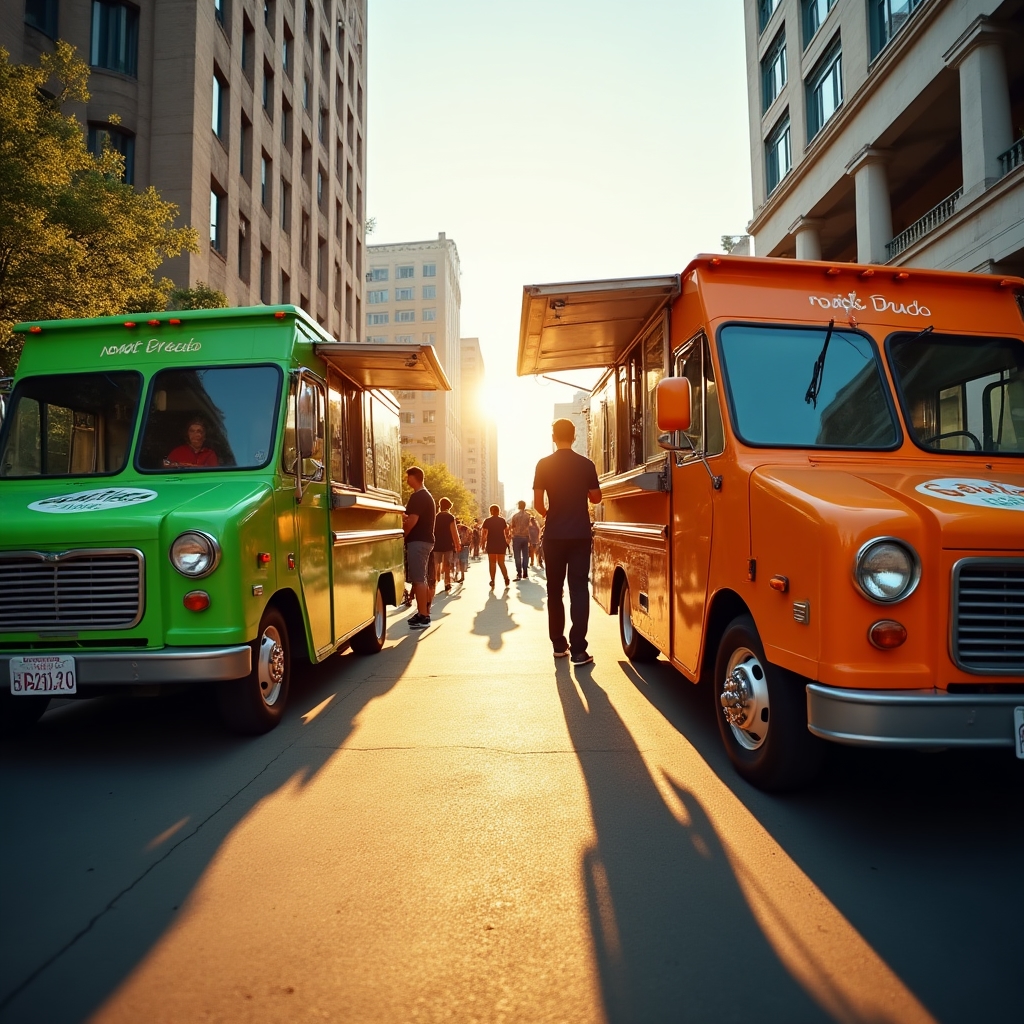
What does growing a fleet actually require?
Most food truck owners who try to add a second truck discover the same thing: the informal knowledge that lived in their head does not transfer easily. The recipes that tasted right because you made them don't come out the same when someone else follows a vague description. The crew member you hired struggles because the training was "just watch me do it." The second location performs inconsistently because you picked it based on a feeling.
This course addresses the structural gaps that appear the moment you stop being the only person running things.

What the course covers
Five focused areas, each one building on the last. No filler, no theory without application.
Documenting Recipes and Processes
How do you capture what you do so someone else can replicate it? This module walks through building recipe cards with exact measurements, prep sequences, cook times, and quality checkpoints. We also cover process documentation for opening, service, and closing routines so every truck runs the same way regardless of who is on shift.
Hiring and Training Unsupervised Crew
Finding people who can work a truck without you watching is a different skill than finding someone to help when you're already there. This module covers job postings that attract the right applicants, structured onboarding that builds confidence fast, and performance check-ins that keep quality consistent over time.
Choosing Locations with Data
Where should truck two park? This module replaces gut instinct with a repeatable location-scoring process. You will look at foot traffic patterns, permit availability, proximity to existing competition, event calendars, and your own sales history to build a picture that supports a confident, reasoned choice.
Commissary Kitchen Logistics
Running two trucks from one commissary requires planning that one truck never demanded. Prep scheduling, shared equipment time, storage allocation, and supply ordering all become more complex. This module gives you frameworks for managing commissary operations so neither truck runs short and neither team wastes time waiting.
Brick-and-Mortar vs. Truck Three
At some point the question shifts. Do you keep expanding the fleet or do you open a fixed location? This module examines the financial and operational signals that suggest each path. Lease obligations, equipment costs, labor structures, and brand positioning all factor in. There is no single right answer, but there are clear questions to ask before committing.
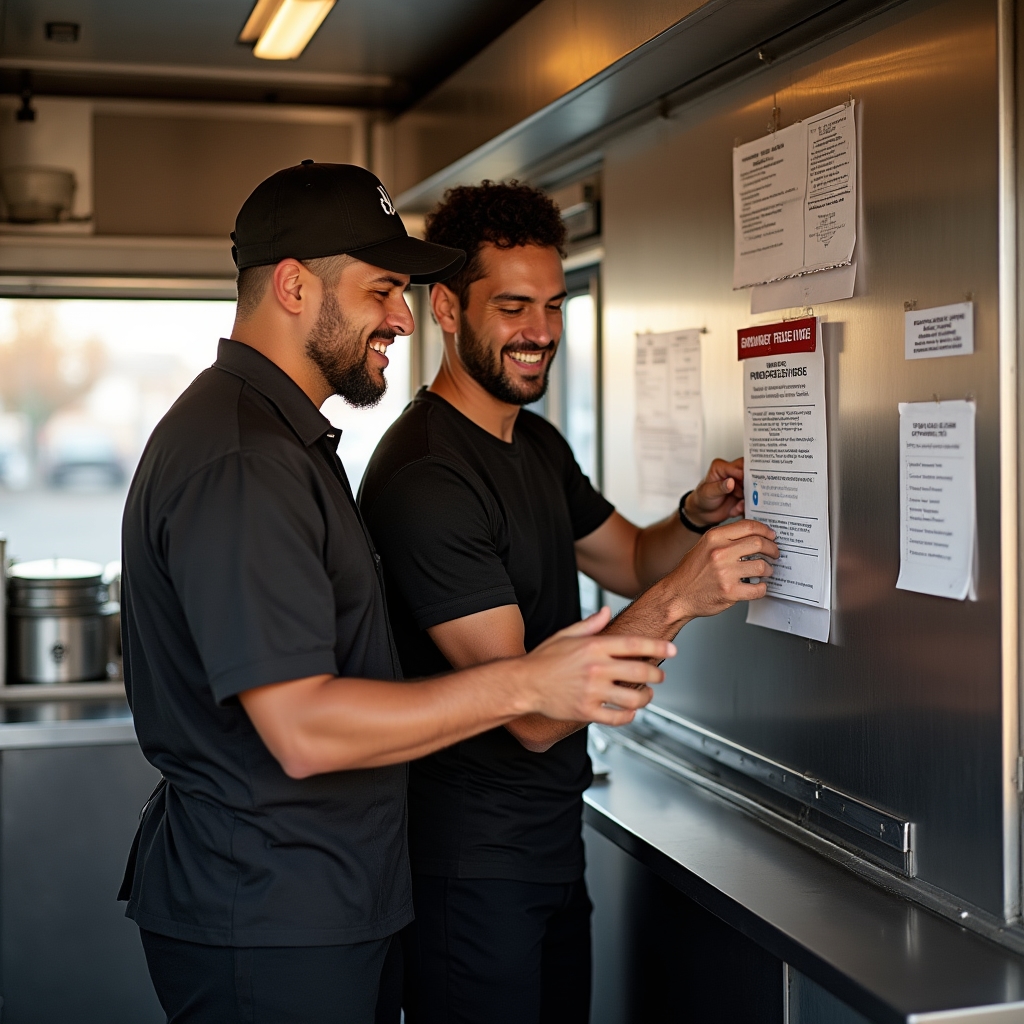
How is this different from a general business course?
Generic small business advice rarely accounts for the physical constraints of mobile food service. You don't have a back office. Your production space moves. Your crew can't ask you a question mid-rush if you're not on that truck.
Everything in this course is specific to food trucks. The templates were built for commissary kitchens, not restaurant prep rooms. The hiring guidance reflects the reality of scheduling workers for route-based shifts. The location framework uses permit data and event calendars, not commercial lease maps.
You get tools you can use the week you finish the module, not concepts to adapt later.
Meet the InstructorNot ready to commit? Start with the free toolkit.
The Fleet Readiness Toolkit includes a recipe documentation template, a location scoring worksheet, and a commissary scheduling guide. Download it, use it, and decide from there whether the full course makes sense for where you are right now.
Grab the Free Toolkit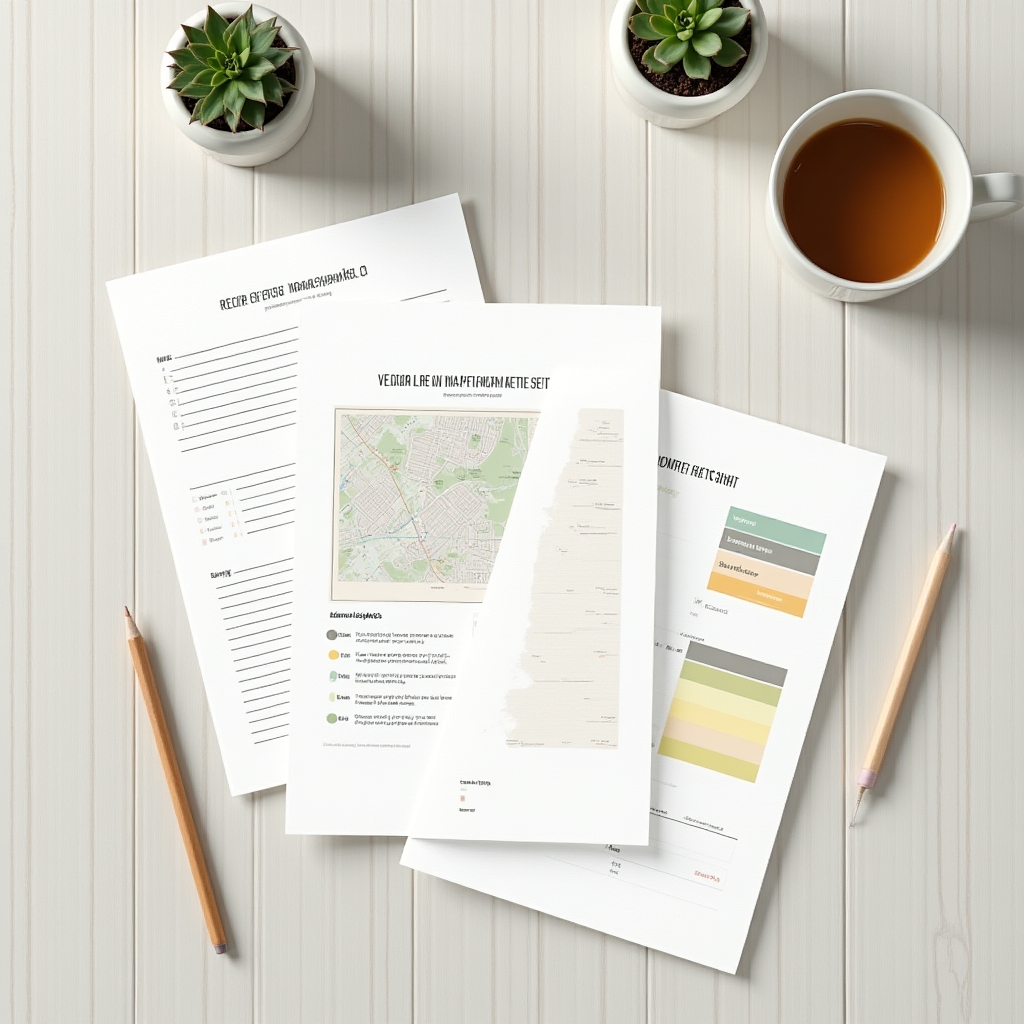
Find Us
Questions about the course? We're based in Atlanta and respond to emails within two business days.